 comparison
How to Choose Between a Tasting Menu and À La Carte
Last Updated: November 14, 2026
Quick Summary
A tasting menu is a multi-course meal where the chef selects the dishes and their order, while à la carte dining lets you choose individually priced dishes yourself. Choose the tasting menu for chef control and discovery, or à la carte for flexibility, budget control, and picky eaters.
- A tasting menu usually runs five to twelve small courses, paced by the kitchen rather than the diner.
- A set menu is a fixed two- or three-course meal, while a tasting menu is a longer chef-curated progression.
- A light eater ordering one appetizer and one entrée à la carte often pays less than a full tasting menu.
- State dietary restrictions and allergies when you reserve, since kitchens need lead time to adjust courses.
- Mixed groups do best at a restaurant that runs both formats side by side at the same table.
Table of Contents
- Tasting Menu vs À La Carte: The Core Difference
- Guest Choice vs Chef Control: Who Decides Your Meal
- Tasting Menu vs Set Menu: What the Labels Actually Mean
- Tasting Menu Price and Value: Reading the Real Cost
- How Long Does a Tasting Menu Take?
- Dietary Needs, Allergies, and Substitution Policies
- A Decision Framework for Mixed-Preference Groups
- Reserve Your Table at Nami Restaurant
- Frequently Asked Questions
Tasting Menu vs À La Carte: The Core Difference
The core difference between a tasting menu and à la carte dining comes down to who builds your meal. A tasting menu hands that job to the kitchen. À la carte dining leaves it with you.
Here is the short version before the details.
That contrast, chef control versus diner control, drives every practical decision that follows.
What a Tasting Menu Is
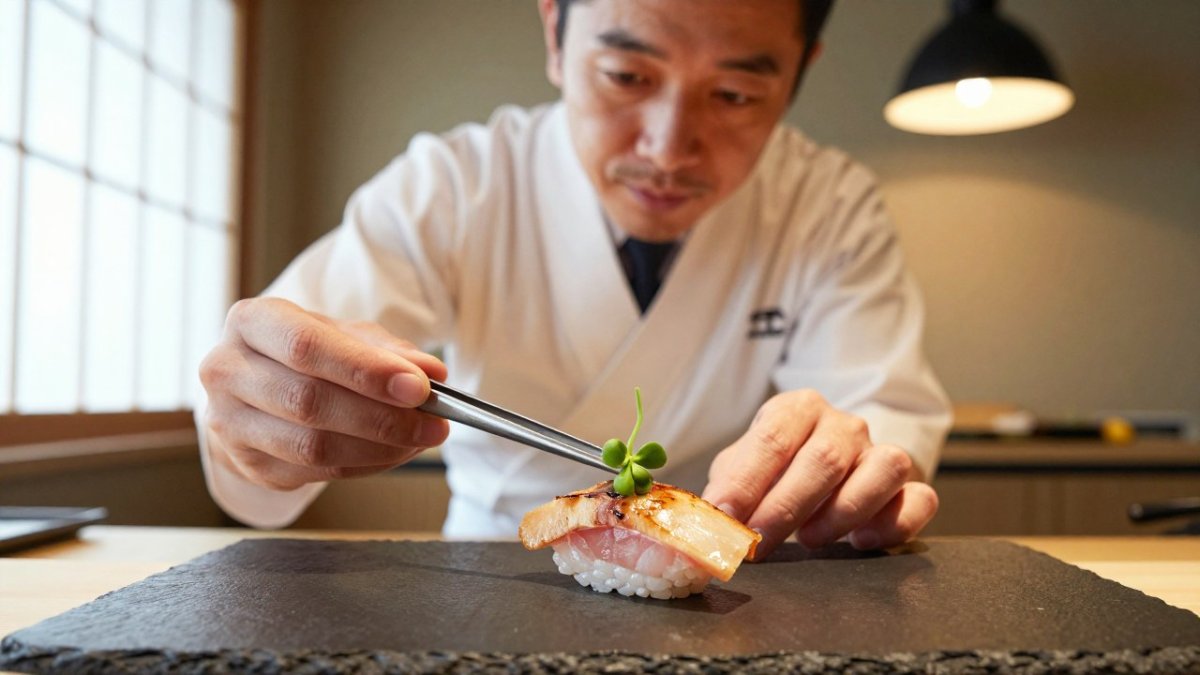
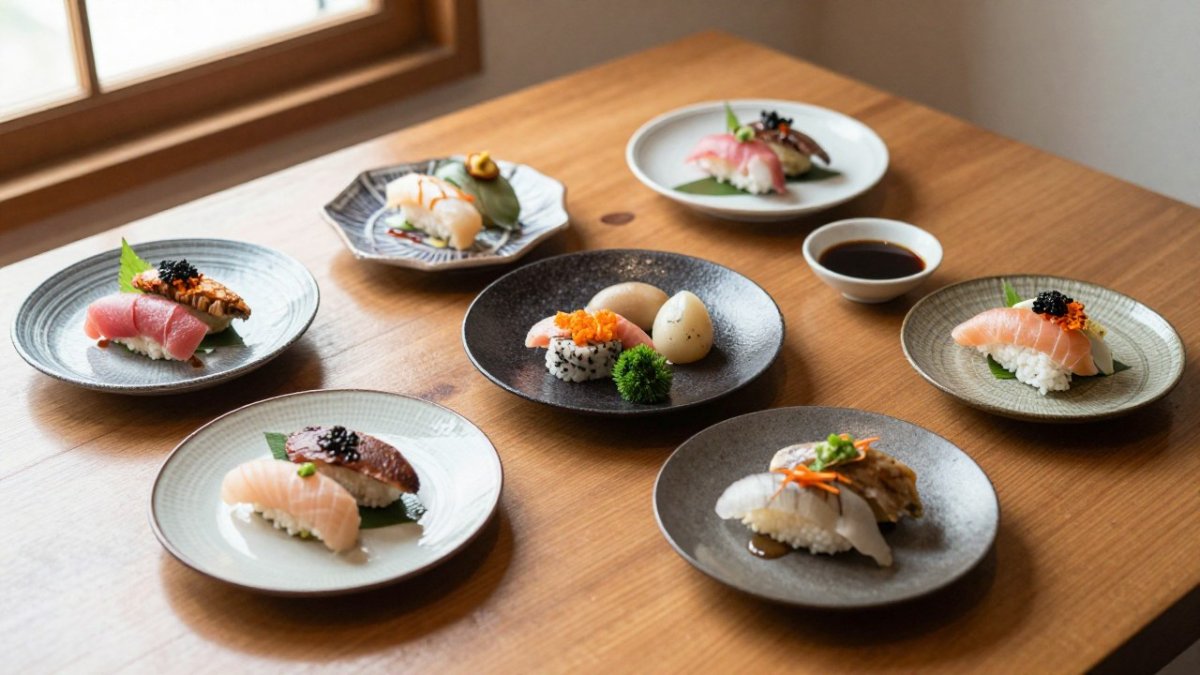
A tasting menu is a fixed progression of small courses, usually five to twelve, designed to be eaten in sequence. Each course is plated by the kitchen and arrives on the chef's schedule, not yours. Menus often follow a seasonal arc: lighter seafood first, richer dishes later, something sweet to close.
The format exists to show range. A chef can put a dozen ideas in front of you in one sitting.
What an À La Carte Menu Is
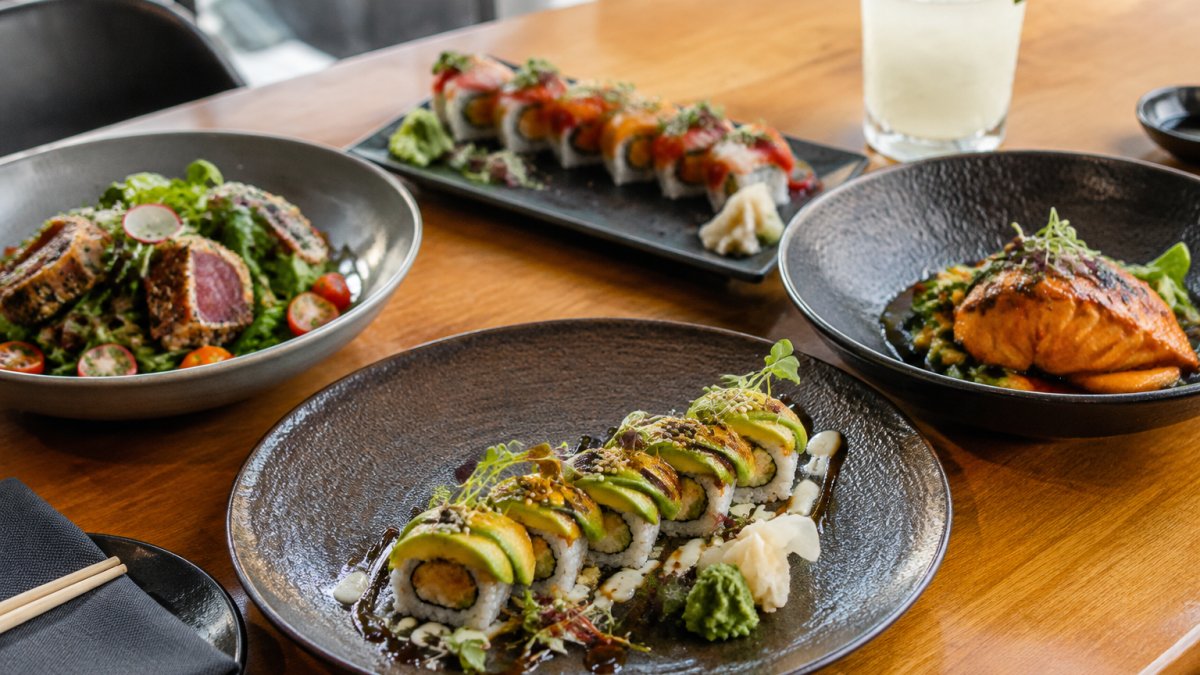
An à la carte menu is the traditional restaurant format: every dish listed with its own price and description. You pick what you want, in the quantity you want, in the order you want. Want two appetizers and no entrée? Fine. Want to split a main and save room for dessert? Also fine.
This is the format most diners grew up with.
Guest Choice vs Chef Control: Who Decides Your Meal
Guest choice defines à la carte dining; chef control defines the tasting menu. Everything else, including price, pacing, and portion size, flows from that one trade-off.
The trade is real in both directions. À la carte gives you command of dish selection and portion control.
Here is how the two formats compare on the factors that matter most:
| Factor | Tasting Menu | À La Carte |
|---|---|---|
| Who chooses dishes | Chef | Diner |
| Course count | Fixed, often 5-12 | Whatever you order |
| Portion size | Small per course | Full-size plates |
| Price per person | Fixed menu price | Adds up per dish |
| Meal duration | Longer, paced by kitchen | Your call |
| Flexibility | Low | High |
| Best for | Discovery, special occasions | Picky eaters, budgets, families |
A common mistake is assuming the tasting menu is always the "better" experience. It is not. It is the more controlled one, and control only helps if you actually want what the chef is cooking.
Tasting Menu vs Set Menu: What the Labels Actually Mean
The terms tasting menu and set menu get used interchangeably, but they describe different things. A set menu is a fixed selection, often two or three courses, at one price. A prix fixe menu works the same way.
Think of it as a spectrum. A set menu is a fixed meal. A tasting menu is a narrative.
When you see "tasting menu" on a restaurant menu, expect a longer commitment: more courses, more time, and a higher fixed price than a set menu.
Tasting Menu Price and Value: Reading the Real Cost
Tasting menu pricing is fixed per person, while à la carte costs accumulate dish by dish. That difference matters because the two totals are rarely as far apart as they look, and the only way to compare them honestly is to build the bill you would actually pay.
A tasting menu bundles the food into one number. Pricing depends on the menu, the party size, and any add-ons, so check Nami Restaurant's website for current prices or a quote. What you do not always know is what sits on top of it.
Building a Realistic Cost Comparison
Instead of comparing a menu price to a single entrée, model a full evening for each format. The line items below are the ones that decide which format costs more for a given party. Pricing depends on quantity, dates, and the menu you select, so check Nami Restaurant's website for current prices.
| Cost line | Tasting menu | À la carte |
|---|---|---|
| Food | Fixed per-person menu price | Sum of every dish ordered |
| Beverages | Optional pairing, usually priced per person | Ordered by the glass or bottle |
| Supplements | Premium courses listed in small print | Upcharges for add-ons or substitutions |
| Service charge | Sometimes added automatically | Usually left to the diner |
| Tax | Applied to the full bill | Applied to the full bill |
| Deposit or cancellation fee | Increasingly required to hold the table | Rare outside large parties |
Run the comparison three ways, because the answer changes with the party:
- The light eater. One appetizer and one entrée à la carte often costs less than a full tasting menu, especially without drinks. This is the clearest case for à la carte.
- The full dinner. A starter, entrée, dessert, a glass of wine, and coffee à la carte frequently lands close to a tasting menu's food price once you add the extras the menu already includes. The gap narrows fast.
- The group of four. Multiply every per-person charge by four, then add the automatic service charge many restaurants apply to larger parties. Fixed pricing protects the group from bill shock; à la carte leaves the total open until the check arrives.
A common pattern is that the tasting menu looks expensive next to a single entrée but competitive next to a complete multi-course à la carte order with drinks. Compare the total bill you expect, not the headline number.
Hidden Costs and Booking Terms to Check
Before you book, read the fine print. These are the items that catch diners off guard:
- Beverage pairings, often priced separately from the food and rarely included
- Supplements for premium courses, if offered
- Service charges, if applied to a party
- Cancellation policies, which may carry a fee
- Deposits, if required to hold a reservation
- Seating times, if applicable
- Same-menu rules, if they apply
Confirm the deposit and cancellation terms with the restaurant before you book.
Value is not just price per course. Weigh ingredient quality, portion satisfaction, service, pacing, and the experience you actually want. A short à la carte order can cost less than a full tasting menu, but a long order with drinks, dessert, and coffee can easily exceed it.
How Long Does a Tasting Menu Take?
A tasting menu generally runs longer than an à la carte meal, because the kitchen paces each course. Course count, kitchen capacity, and service pacing all affect the clock.
Plan around it. If you have a hard deadline, tell the restaurant when you book.
À la carte dining gives you meal duration control. You can eat in forty-five minutes or stretch to three hours. That flexibility is the format's quiet advantage.
Dietary Needs, Allergies, and Substitution Policies
Substitution policies vary widely, and they matter more on a tasting menu than an à la carte order. Because tasting menus are built as a fixed progression, changes can disrupt the kitchen's plan, so many restaurants ask for dietary restrictions at the time of booking. The practical work happens before you reserve, not when you sit down.
What to Ask Before You Book
Before you book, these are questions you may wish to ask the restaurant about whether a tasting menu will work for your table:
- Can the kitchen accommodate this restriction at all? Some fixed menus are built around ingredients that cannot be swapped without rebuilding the course.
- How much lead time do you need? Kitchens plan menus and order ingredients in advance, so a restriction disclosed at the table may be impossible to honor.
- Do substitutions carry a supplement? Premium swaps sometimes do, and the charge may not appear on the printed menu.
- How are severe allergies handled? Ask specifically about cross-contact practices in the kitchen and whether shared equipment is used.
- Is the whole table required to order the same menu? If one diner needs the à la carte list, confirm the restaurant allows mixed orders at one table.
How Fixed Menus Limit Substitutions
An à la carte menu is generally easier to work around, because you simply avoid the dishes you cannot eat and order around them.
A common pattern is that restaurants can handle a single restriction with notice but struggle with several at once, or with restrictions that touch the core ingredients of the menu.
Ask how any allergy would be handled before you book.
State allergies when you reserve, not when you sit down.
A Decision Framework for Mixed-Preference Groups
Mixed-preference groups are the hardest case, and the most common one. One diner wants the full chef experience, another wants a burger, a third has a shellfish allergy. A single format rarely fits everyone.
Use this framework:
- Count the adventurous eaters. If most of the table wants discovery, book the tasting menu.
- Check the menu flexibility. Does the restaurant offer both formats at the same table? Many do, and that solves most conflicts.
- Match the occasion. Celebrations and client dinners reward the tasting menu's pacing. Casual weekend meals usually favor à la carte.
- Set a budget ceiling. Fixed pricing protects the group from bill shock.
- Confirm the time commitment. A three-hour meal needs buy-in from everyone.
The best answer for a mixed group is often a restaurant that runs both formats side by side, so each diner chooses their own path.
Reserve Your Table at Nami Restaurant
Choosing between a tasting menu and à la carte dining comes down to how much control you want over your meal. At Nami Restaurant, you do not have to pick a side before you arrive.
For a closer look at the full experience, read our upscale Japanese fusion in Monterey review before you book.
Ready to settle the tasting menu versus à la carte debate in person?
Frequently Asked Questions
Is a tasting menu more expensive than ordering à la carte?
Usually yes, but not always by as much as the headline number suggests. One dining guide reports tasting menus running from about $95 to $500+ per person depending on tier, location, and course count, while a Resy guide cites a chef's tasting menu at $140 per person at a restaurant that also offers à la carte. Compare the tasting menu price against what you would actually order à la carte, including drinks, supplements, and tax, before deciding which is the better deal for your table.
How long does a tasting menu take compared to à la carte?
A tasting menu runs longer because each course is paced by the kitchen. Plan on a multi-hour sitting when there are many courses, and ask the restaurant for an estimate when you book. À la carte moves at your pace: you order, eat, and leave on your own schedule, which suits tight timelines like a business dinner before an event. If you have a hard stop, tell the server up front so the kitchen can adjust the pacing.
Can you choose dishes on a tasting menu?
Most tasting menus are chef-curated, meaning the kitchen decides the progression and you eat what is served. Some restaurants offer a choice within courses or a shorter prix fixe with two or three options per course. À la carte gives you full control over dish selection. If you have a must-have dish or a dietary restriction, ask about menu flexibility and substitution policies before you book, since policies vary by restaurant.
Is a prix fixe menu the same as a tasting menu?
They overlap but are not identical. A prix fixe is a set menu at a fixed price, often with a few choices per course, while a tasting menu is typically a longer chef-curated progression of small courses. Both differ from à la carte, where each dish is priced and ordered separately. When comparing tasting menu vs set menu options, check the course count, whether choices are allowed, and what the price includes before you commit.